“I just felt the need to send this email and express my deepest gratitude to Dr. Baker for everything that you have done for me. From the initial evaluation to my last appointment last Wednesday- my experience has been nothing but wonderful. I think because I’m deaf – this was an added challenge considering the need for clear communication and consistent services – which is exactly what I got. The sensitivity, warmth and friendliness that I received from your office made my experience a much more positive one. The professionalism and quality of service was just amazing. I truly believe that this happened @ the time that it did – for a reason. I had the best hospital, best secretary, best interpreters, best facilities, and most of all, the best doctor Dr. Baker – that I could’ve possibly had. I’m proud to share my very positive experiences @ Georgetown Plastic Surgery’s dept with my family members, peers, coworkers, and friends. It’s important to me that I remind your office just how big of an impact you’ve had on me.”
Breast Augmentation in Washington, DC
Breast augmentation in Washington, DC is a surgical procedure designed to enhance breast size, shape, and balance using breast implants. Some patients choose breast augmentation to restore volume after pregnancy, breastfeeding, or weight changes, while others want to create a more proportional figure or improve breast symmetry.
Stephen Baker, MD, DDS, FACS, is a board-certified plastic surgeon who provides breast augmentation for patients in Washington, DC, McLean, VA, and Falls Church, Virginia. During consultation, Dr. Baker evaluates each patient’s anatomy, goals, skin quality, lifestyle, and expectations before recommending the implant type, size, incision, and placement most appropriate for that patient.
Breast augmentation is a highly personal decision. The best results begin with clear expectations, careful planning, and an open discussion with an experienced plastic surgeon.
Ready to learn whether breast augmentation is the right fit for you?
What Breast Augmentation Can Improve
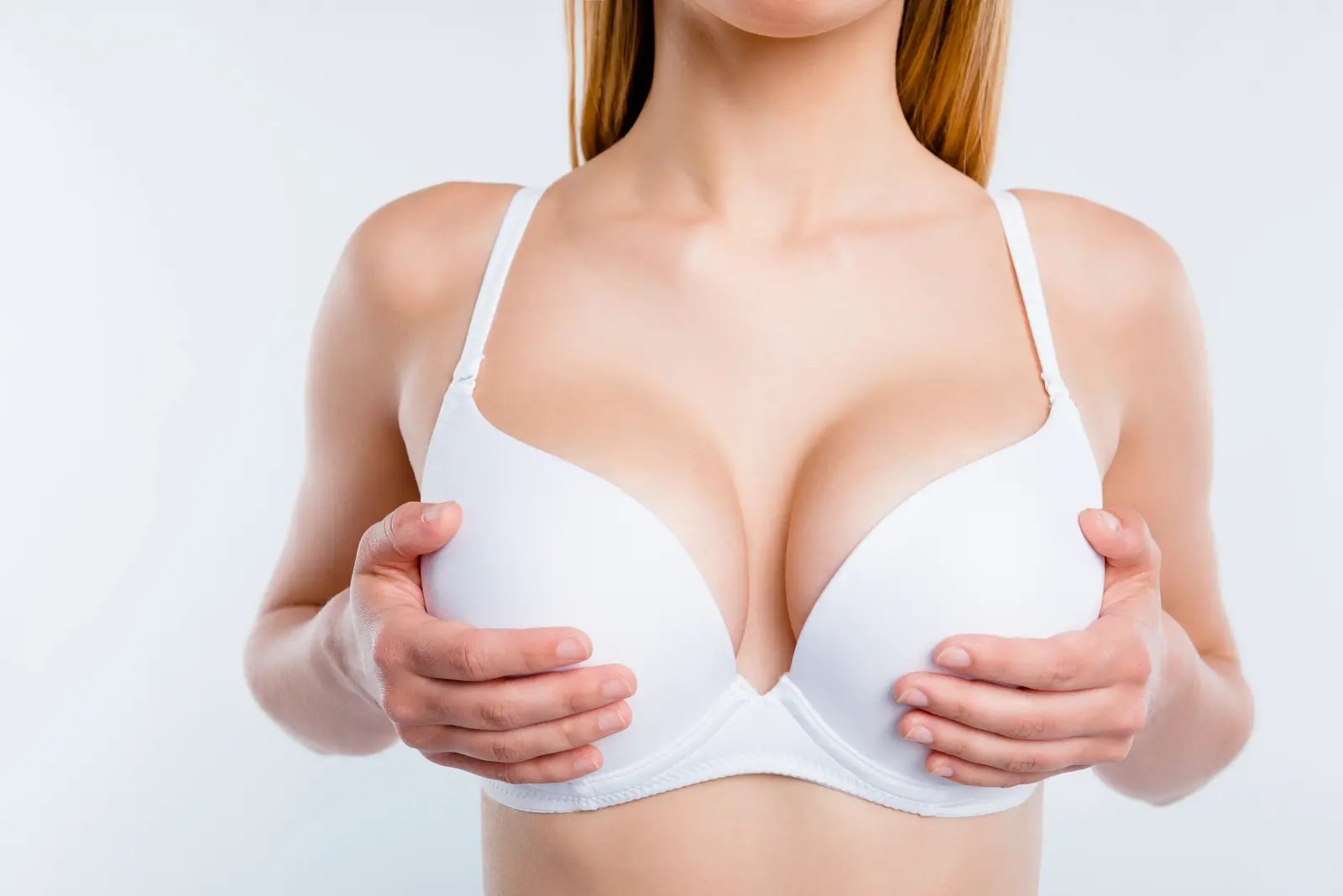
Breast augmentation, also known as augmentation mammoplasty, enhances breast size and shape by placing an implant behind each breast. The procedure may be appropriate for women who want to improve breast volume, restore fullness, or create better balance with the rest of the body.
Breast augmentation may help patients who want to:
- Increase breast size when the breasts feel naturally small
- Restore breast volume lost after pregnancy, breastfeeding, or weight loss
- Improve breast symmetry when one breast is smaller or shaped differently
- Enhance breast shape when the breasts have lost firmness
- Add volume as part of a broader breast contouring plan
- Improve confidence in clothing, swimwear, or everyday proportions
Breast augmentation can enhance appearance and self-confidence, but it should not be viewed as a way to meet someone else’s expectations. Dr. Baker helps patients carefully consider their goals so the surgical plan is realistic, safe, and tailored to each person.
Why Choose Dr. Stephen Baker for Breast Augmentation?
Choosing the right breast augmentation surgeon in Washington, DC is one of the most important parts of the decision-making process. Patients should feel confident not only in the procedure but also in the surgeon’s judgment, training, and communication style.
Dr. Stephen Baker is a board-certified plastic surgeon and a Professor and Program Director in the Department of Plastic Surgery at Georgetown University Hospital. He is also the Director of the Center for Facial Restoration at MedStar Georgetown University Hospital and the Medical Director of the Inova Hospital for Children Craniofacial Program.
His background in aesthetic, reconstructive, and craniofacial surgery, as well as complex soft tissue procedures, gives him a detailed understanding of anatomy, proportion, and surgical planning. For breast augmentation patients, this supports careful attention to breast shape, body balance, implant selection, incision placement, safety, and long-term results.
Learn more about Dr. Baker’s background, training, and approach to plastic surgery.
Breast Implants and Your Surgical Plan
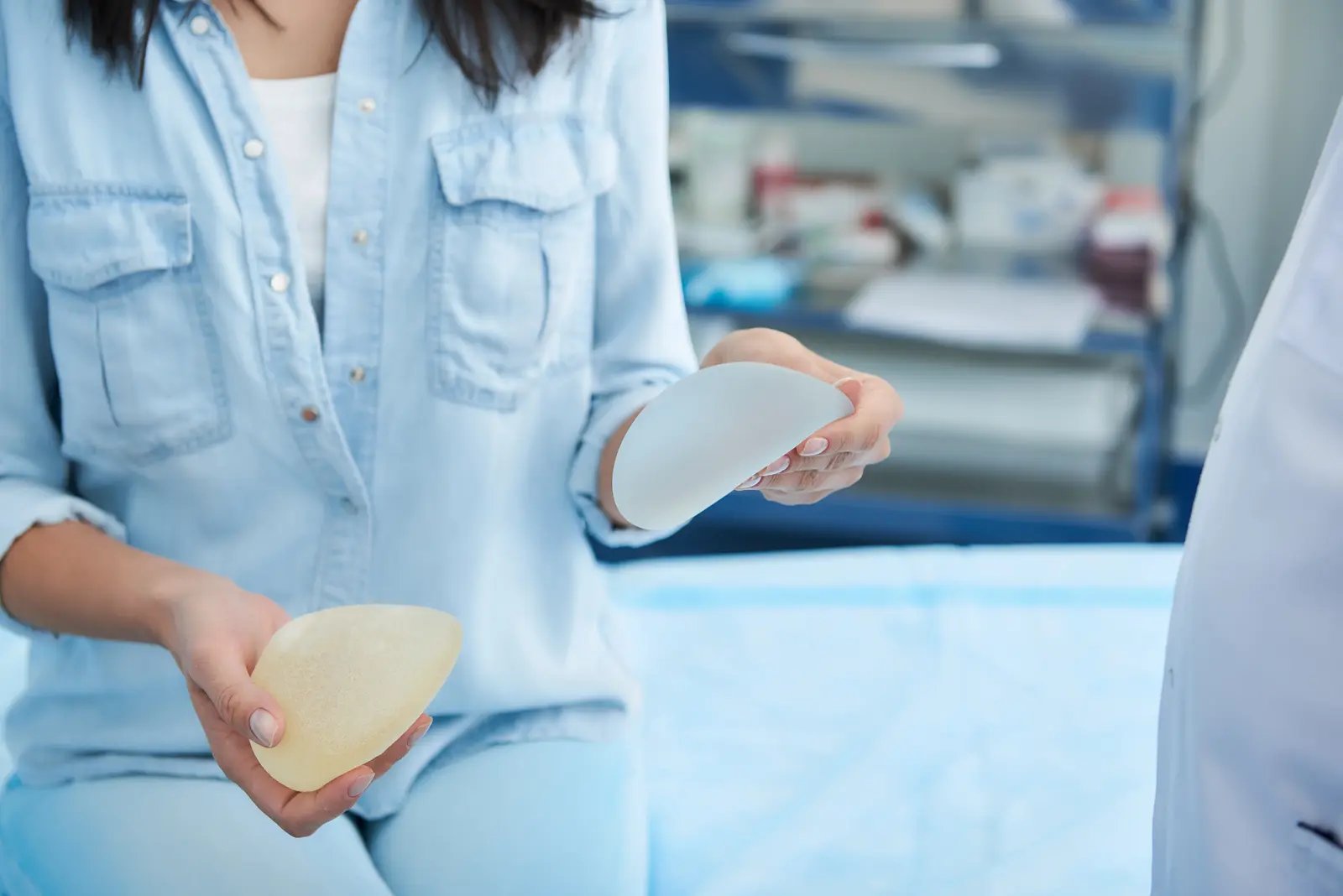
Breast implants are medical devices with a solid silicone shell that may be filled with saline solution, silicone gel, or cohesive silicone gel. Implant selection is based on the patient’s breast anatomy, body frame, existing breast tissue, skin quality, desired size, lifestyle, and long-term goals.
During your consultation, Dr. Baker reviews the implant options that may best support a balanced, natural-looking result. Breast implants vary by filler material, size, shape, profile, texture, and diameter, but the goal is not simply to choose an implant from a list. The goal is to select an implant that fits the patient’s body and supports the intended result.
No single implant is right for every patient. A natural-looking outcome depends on selecting an implant that respects the patient’s frame, tissue characteristics, and aesthetic goals.
Saline, Silicone, and Cohesive Gel Implants
Patients often want to understand the difference between saline and silicone breast implants before choosing breast augmentation. Dr. Baker explains the advantages and limitations of each option during consultation.
Saline implants are filled with sterile saltwater and may allow for a smaller incision in some patients. Silicone implants are filled with silicone gel and are often selected by patients who want a softer, more natural feel. Cohesive gel implants, also called gummy bear implants, are silicone gel implants designed to retain their shape.
Breast implants are not considered lifetime devices, and future surgery may be needed to replace one or both implants. Routine breast health monitoring and implant follow-up remain important after augmentation.
Choosing the Right Breast Implant Size
Breast implant size is measured in cubic centimeters, or cc, rather than cup size. Cup sizes vary between bra brands and do not provide a precise surgical measurement, which is why cc is the standard used during implant planning.
Dr. Baker helps patients choose an implant size that fits their body frame, tissue coverage, and desired volume. Bigger is not always better. Very large implants may increase the risk of stretching, visible implant edges, discomfort, sagging over time, or the need for revision surgery.
During implant sizing, Dr. Baker considers:
- Desired increase in breast size
- Chest width and breast base diameter
- Skin and soft tissue coverage
- Breast symmetry
- Existing breast shape and nipple position
- Lifestyle and activity level
- Natural-looking versus more dramatic goals
The best implant size is the one that supports the patient’s goals while respecting the body’s natural proportions.
Breast Implant Placement and Incision Options
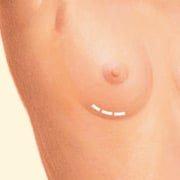
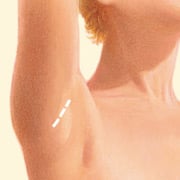
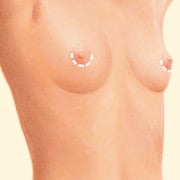
The method of inserting and positioning the breast implant depends on the patient’s anatomy and Dr. Baker’s recommendation. Every effort is made to place incisions so resulting scars are as inconspicuous as possible.
Common incision options include:
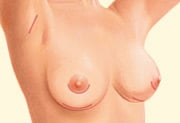
- Inframammary incision: Placed in the breast crease, where the breast meets the chest.
- Periareolar incision: Placed around the areola.
- Transaxillary incision: Placed in the armpit.
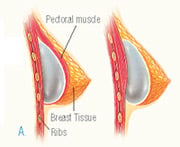
Through the incision, Dr. Baker creates a pocket for the implant. It may be placed directly behind the breast tissue or beneath the pectoral muscle on the chest wall. Each placement option has advantages, and the right choice depends on breast tissue, skin quality, implant type, desired result, and patient anatomy.
Once the implant is positioned, the incisions are closed with sutures, skin adhesive, and/or surgical tape. A gauze bandage or surgical bra may be used to support healing. Breast augmentation surgery usually takes one to two hours to complete.

Who Is a Good Candidate for Breast Augmentation?
The best candidates for breast augmentation are women who are looking for improvement, not perfection. Patients should be physically healthy, realistic about what surgery can achieve, and willing to follow pre- and post-operative instructions.
Breast augmentation may be appropriate for patients who:
- Want fuller breasts
- Have lost breast volume after pregnancy, breastfeeding, or weight loss
- Want better breast symmetry
- Feel their breasts are not proportionate to their body
- Want improved shape or projection
- Understand the benefits and limitations of breast implants
If the breasts are sagging, Dr. Baker may recommend a breast lift in addition to breast augmentation. Implants can restore volume, but they do not always correct significant drooping or low nipple position. A breast lift may be a better choice when the goal is to raise and reshape the breast and increase fullness.
Patients whose concerns involve overly large or heavy breasts may be better suited for breast reduction. During consultation, Dr. Baker can help determine whether breast augmentation or another breast procedure is the most appropriate option.
Patients should openly discuss expectations, smoking, medications, vitamins, medical history, and future pregnancy or breastfeeding plans with Dr. Baker during consultation.
Your Breast Augmentation Consultation in Washington, DC
A breast augmentation consultation is the best time to ask questions, compare options, and understand what a realistic result is. Dr. Baker evaluates the condition of the breasts, skin tone, breast shape, and overall health before recommending a surgical plan.
During consultation, patients can expect to discuss:
- Cosmetic goals
- Implant type, size, and profile
- Incision options
- Implant placement
- Anesthesia
- Surgical facility
- Recovery expectations
- Risks and possible complications
- Cost and patient responsibilities
Patients may also ask about the manufacturer’s insert for the recommended implant. This helps ensure the patient is fully informed before making a decision.
A consultation gives patients the opportunity to compare options and receive a recommendation tailored to their anatomy and goals. For patients still weighing decisions, Dr. Baker can also explain how breast augmentation fits within the broader range of breast procedures, including procedures designed to improve breast position, reduce breast size, or restore proportion.
Your Breast Augmentation Procedure Location
Dr. Baker sees breast augmentation patients in the Washington, DC area and performs surgery at trusted surgical facilities. Surgical settings may include Georgetown University Hospital in Washington, DC, Inova Fairfax Hospital in Falls Church, VA, or an ambulatory surgical facility in McLean, VA.
Preparing for Breast Augmentation Surgery
Before surgery, Dr. Baker provides specific instructions on eating, drinking, smoking, and taking or avoiding certain vitamins and medications. A mammogram may be recommended before the procedure to confirm breast health and provide a baseline for future comparison.
Patients should arrange for someone to drive them home after surgery and stay with them for the first 24 hours. Some patients may also need help for a few days, depending on the extent of the procedure and their home responsibilities.
Breast augmentation is performed with general anesthesia, so patients sleep through the operation.
Breast Augmentation Recovery Timeline
Recovery varies by patient, implant placement, and the details of the procedure. Dr. Baker provides individualized instructions after surgery, but most patients can expect recovery to progress in stages:
- First 24 to 48 hours: Patients can expect tiredness, soreness, swelling, and the need for rest. Someone should be available to drive them home and help during the initial recovery period.
- First several days: Most discomfort can be managed with medication prescribed by Dr. Baker’s office. Dressings may be removed, and a surgical bra may be recommended to support healing.
- Weeks 1 to 2: Stitches may be removed within about 1 to 2 weeks. Some nipple sensitivity, burning, or numbness may occur during this stage.
- Weeks 2 to 4: Many patients return to work within a few days, depending on job demands. Physical activity should resume only as directed by Dr. Baker.
- Weeks 3 to 6: Swelling continues to improve. Breast sensitivity usually decreases, and scars may remain firm and pink during early healing.
- Several months: Scars begin to fade, although they do not disappear completely. Breast shape continues to settle as the final result becomes more refined.
Patients should avoid direct breast contact until tenderness has improved. Dr. Baker will advise when exercise, work, and normal activities can be safely resumed.
What Results Can You Expect After Breast Augmentation?
For many women, breast augmentation can be satisfying as they become more comfortable with a fuller, more balanced appearance. Results depend on anatomy, implant type, implant size, skin quality, healing, and realistic expectations.
A successful result is one that aligns with the patient’s own goals. The decision to have breast augmentation is personal, and not everyone will understand it. What matters most is that the patient feels informed and comfortable with the choice.
Patients should continue routine breast self-exams and diagnostic breast screenings after augmentation. Mammography remains important, but the technician should be told about the implants, so specialized techniques and additional views can be used when needed. Patients with silicone implants may also need periodic imaging to evaluate implant integrity, per current recommendations.
Before-and-after photos, when reviewed during consultation, can help patients understand the range of possible outcomes. They should be used to understand result variability, not to select a guaranteed outcome. Reading about patient experiences can also help patients prepare realistic expectations before moving forward.
How Much Does Breast Augmentation Cost in Washington, DC?
The cost of breast augmentation in Washington, DC varies because each procedure is tailored to the patient. Pricing depends on the implant type, surgical plan, anesthesia, facility fees, and whether another procedure, such as a breast lift, is performed at the same time.
A specific quote is provided after consultation because every surgical plan is different.
Because breast augmentation is usually considered cosmetic, insurance does not typically cover the procedure unless it is performed for reconstruction. Patients interested in payment options may also review the practice’s financing information.
Breast Augmentation FAQs
Schedule a Breast Augmentation Consultation in Washington, DC
Dr. Stephen Baker is a board-certified plastic surgeon dedicated to providing patients with thoughtful, individualized aesthetic surgery care. If you are considering breast augmentation in Washington, DC, a consultation can help you understand your options, compare implant types, review recovery, and receive a recommendation based on your goals.
Related Breast Procedures
As Featured In